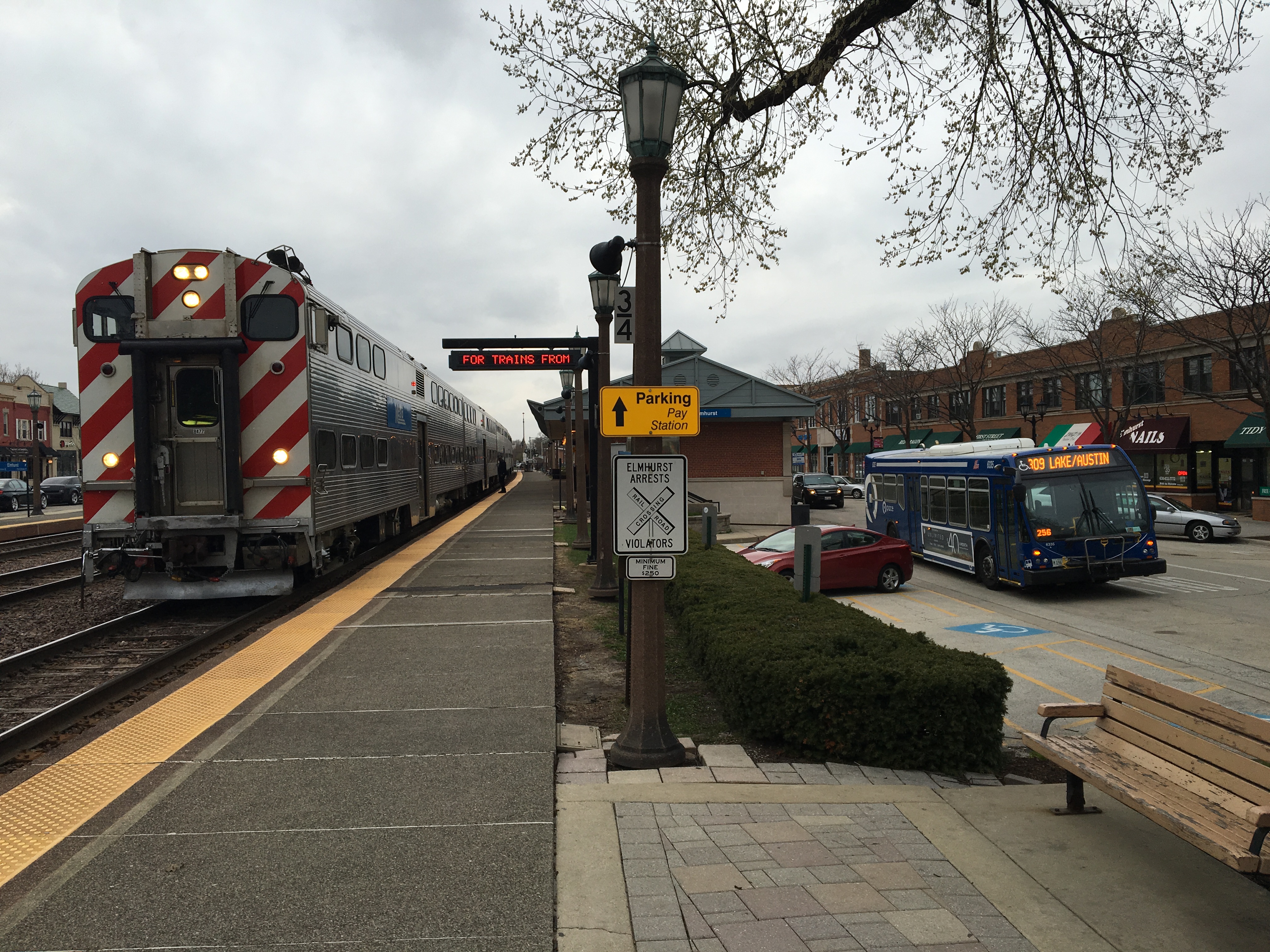
Downers Grove riders on the BNSF Metra line are now under a new transit oversight agency after the Northern Illinois Transit Authority officially replaced the Regional Transportation Authority on Tuesday, Sept. 1.
The switch won't change daily commutes. Metra, the CTA and Pace will continue operating their own routes, and fares will remain unchanged until at least July 2027, when the NITA board could consider increases, NITA Chief Transition Officer Maulik Vaishnav told CBS News Chicago.
But the new agency carries broader powers and significantly more money. The NITA Act, signed by Gov. JB Pritzker in December 2025, provides roughly $1.5 billion annually to stabilize transit across the region without new state taxes, according to the governor's office. An estimated $1.2 billion in new operations funding is expected to flow to northeastern Illinois in 2027, the first full year of new revenue.
NITA launches as the second-largest transit authority in the country by passenger miles. Together, the CTA, Metra and Pace provide more than 1.3 million rides a day, according to Metro Magazine.
DuPage County has a direct seat at the table. DuPage County Board Chair Deborah Conroy appointed Roselle Mayor David Pileski to represent the county on both the NITA and Pace boards, and appointed John Retondo to the Metra board. The DuPage County Board approved both appointments on July 14.
Some suburban officials have raised concerns that the 20-member NITA board gives too much weight to Chicago and suburban Cook County, which hold 10 of the 20 seats. The five collar counties each get one representative, according to Trains.com.
Outgoing RTA Board Chair Kirk Dillard, a Hinsdale attorney who regularly commutes on the BNSF line, presided over his final RTA meeting on Aug. 20 after 12 years leading the board. "It's a perfect time for me to leave and for NITA to have a fresh start," Dillard told the Daily Herald on Aug. 27.
Since the NITA Act was signed, $132 million has gone toward early improvements including expanded service, work on rail slow zones and chronic bus delays, new safety resources and reduced student fares rolled out for the start of the school year, according to the governor's office.
A unified fare payment system across all three agencies is not expected until 2030.
The new NITA board is scheduled to hold its first meeting Thursday, Sept. 10, when members are expected to select a chair. Riders can find information about the transition at nita.illinois.gov.