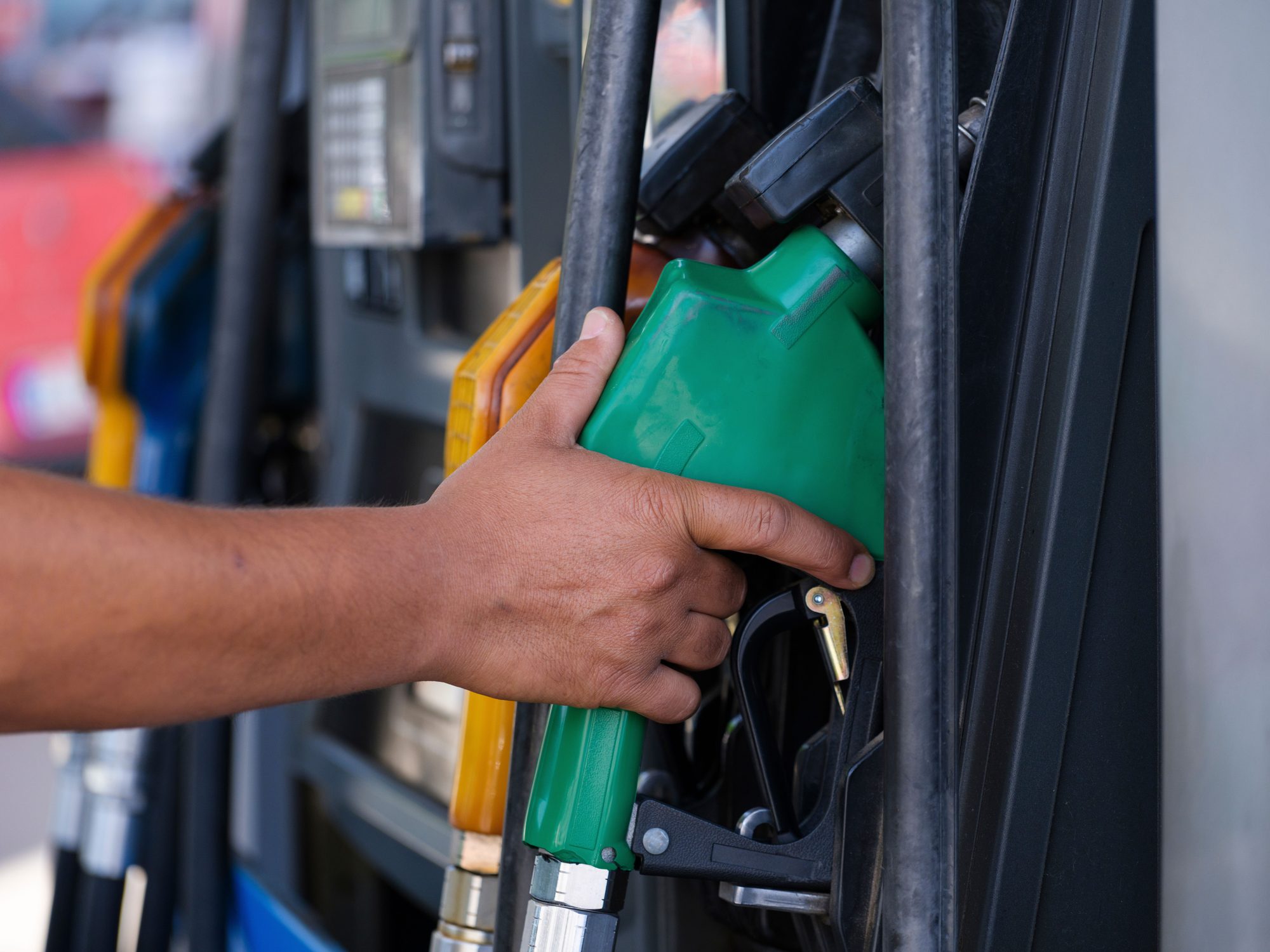
DuPage County drivers are paying roughly 60 cents more per gallon than the national average for regular gas, and the price gap traces to a string of breakdowns at a massive refinery less than an hour south on I-55.
The Chicago metro average for regular unleaded reached $4.83 per gallon on Oct. 22, according to AAA. The national average sat at $4.27. Illinois diesel averaged $6.56 per gallon, down from a record $6.83 on Sept. 23 but still nearly 80% higher than a year ago.
DuPage County falls within the Chicago-Naperville-Elgin statistical area, where the Bureau of Labor Statistics reported gasoline prices rose 6.3% from August to September. Year over year, the gasoline index climbed 28.9%.
Why prices spiked
Three overlapping refinery disruptions across the Great Lakes region are behind the squeeze, RE Journals reported.
The ExxonMobil refinery in Joliet, a 275,000-barrel-per-day plant in Will County that produces roughly 11 million gallons of gasoline and diesel daily, suffered a total power outage on Sept. 13. The shutdown forced an emergency flaring event visible on site, according to industry publication ChemNet. That single facility accounts for about 6% of all Midwest refining capacity. Its fuel feeds pipelines serving Illinois, Indiana, Iowa, Michigan and Wisconsin.
ExxonMobil had not finished recovering when a new problem hit. On Oct. 20, the company shut a 50,000-barrel-per-day catalytic reformer at the same Joliet plant after Wood Mackenzie observed decreased stack activity and elevated flaring, Texas Energy Report reported. An ExxonMobil spokesperson said Oct. 21 the company was working to resolve an operational issue but provided no restart timeline.
The Joliet outages coincided with planned maintenance at the Cenovus refinery in Lima, Ohio, which took another 185,000 barrels per day offline starting in September, according to RE Journals. The BP Whiting refinery in Indiana, the Midwest's largest, has also been running with restricted capacity. About 800 BP workers have been locked out since March 19 in a contract dispute with the United Steelworkers, In These Times reported.
State response
Gov. JB Pritzker declared Illinois a diesel disaster area on Oct. 6, Shaw Local reported. His executive order directs the Illinois Department of Revenue and Illinois State Police not to impose penalties for selling or using tax-exempt, red-dyed diesel fuel on highways through Dec. 31.
Nate Harris, CEO of the Illinois Fuel and Retailer Association, told Shaw Local he is skeptical the orders will help. "My advice to all retailers is that they should not be doing this until there's further clarification," Harris said. "They're putting themselves at criminal risk if they do so."
Suburban school budgets feel the pinch
The diesel spike is hitting suburban school districts that run their own bus fleets. Naperville Unit District 203, which operates more than 120 diesel buses, expects to spend an extra $300,000 on fuel this school year if prices hold, the Chicago Tribune reported. Whether Downers Grove-area districts face similar pressure is not yet clear from public records.
What comes next
Patrick De Haan, head of petroleum analysis at GasBuddy, told the Tribune that diesel prices may decline slightly in the weeks ahead as the Joliet plant resumes operations. Per-gallon diesel had already dropped more than 25 cents since the Sept. 23 peak.
Longer-term relief depends on geopolitical developments involving the U.S., Ukraine and Iran. RE Journals noted that much of the current pressure stems from a temporary regional bottleneck and that prices should stabilize as the Joliet refinery returns and BP Whiting's maintenance ends. The Oct. 20 catalytic reformer shutdown at Joliet complicates that forecast. ExxonMobil has not disclosed a restart date for the unit.