A student at Downers Grove North whose classmate uses AI to generate a fake explicit image of that student now has explicit legal protection under Illinois law.
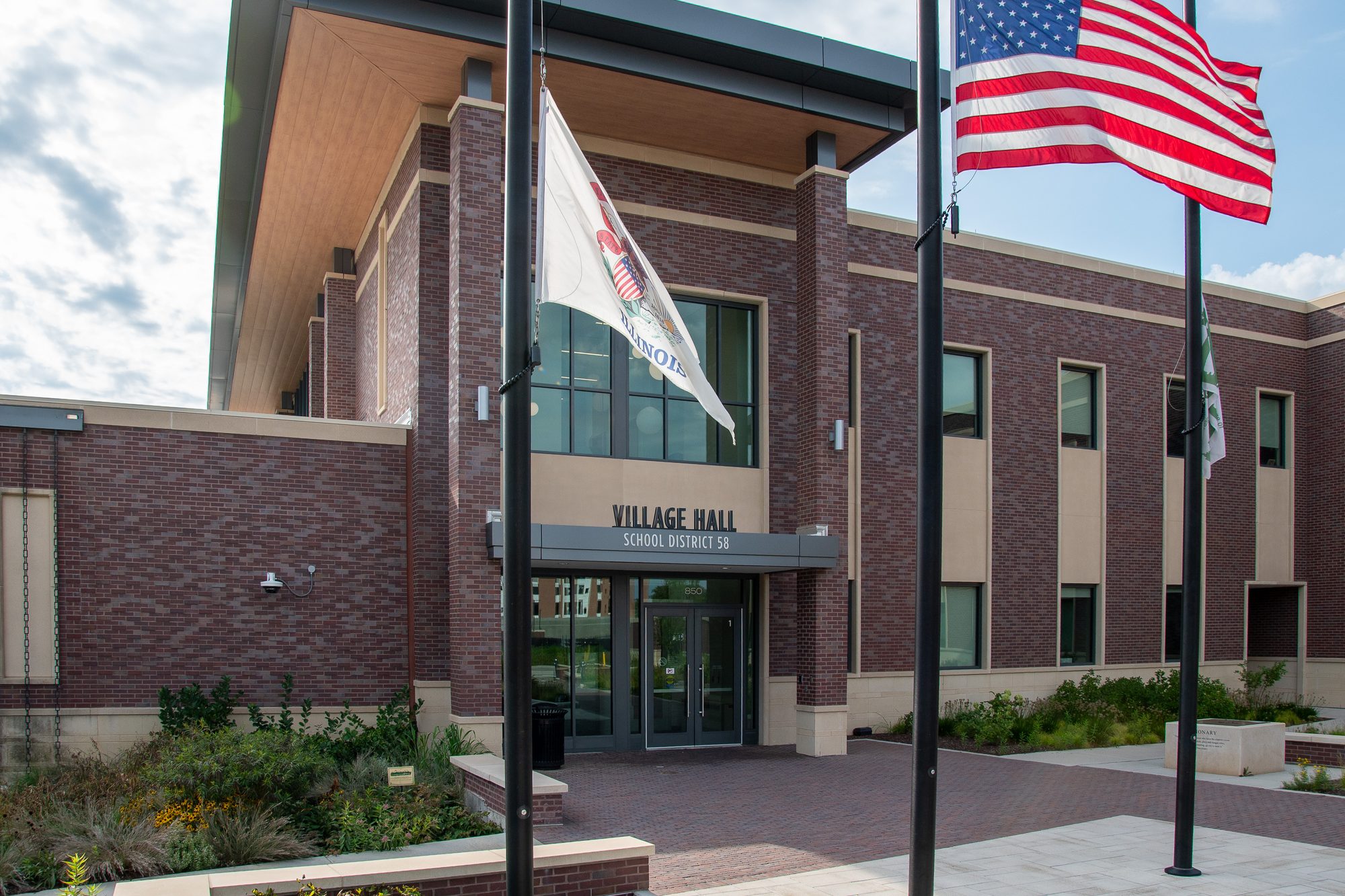
House Bill 3851, which took effect Tuesday, July 1, expanded the state's definition of cyberbullying to include AI-generated "digital replicas." The law specifies that compliance begins with the 2026-27 school year, meaning Community High School District 99, Grade School District 58, Woodridge District 68, and Westmont CUSD 201 must update their bullying prevention policies before classes resume in August.
The law, introduced by Rep. Janet Yang Rohr and signed by the governor on Friday, August 15, 2025, passed both chambers unanimously: 116-0 in the House and 57-0 in the Senate. It defines a digital replica as any AI-created representation of a person's voice, image, or likeness that a reasonable person would believe depicts the real individual.
What changes for families
Under the updated School Code, districts must revise their bullying policies to cover the posting or distribution of deepfakes by electronic means. The law also adds "posting or distributing sexually explicit images" as a named form of bullying.
The law reaches beyond school walls. Off-campus deepfakes shared through personal devices can trigger school discipline if they cause "substantial disruption to the educational process," according to the bill text.
Students who share or forward a deepfake can face consequences, not just those who create them. Scott Rowe, superintendent of Township High School District 214, told reporters that the law gives districts "clearer language for policies, student expectations and family conversations."
"The message is clear. AI does not remove responsibility," Rowe said.
The scope of the problem
A 2024 survey by the Center for Democracy & Technology found that 40% of K-12 students were aware of a deepfake involving someone at their school. Fifteen percent knew of a sexually explicit deepfake depicting a member of their school community. More than 60% of teachers reported their school had not shared any policies or procedures related to AI-generated imagery.
What districts must do
Compliant policies must include the updated cyberbullying definition, procedures for reporting bullying (including anonymous reporting), parent notification within 24 hours of the school learning of an incident, and completion of investigations within 10 school days.
The Illinois State Board of Education was also required to develop statewide AI guidance by July 1, but that work remains incomplete. ISBE press secretary Lindsay Record said the agency is still developing its guidance, adding that local policies and responses to specific incidents remain district-level decisions.
None of the four local districts have publicly released updated policies or statements about their compliance plans as of Wednesday, July 9.
Debra Jacobson, general counsel of the Illinois Association of School Boards, acknowledged the challenge districts face. She described the AI policy landscape as "a bit of a game of Whac-A-Mole, just because the technology is evolving very quickly."
What's next
Local school boards adopt policy changes at regular meetings before the school year starts. Families can check district websites for upcoming August board agendas, where bullying policy updates are likely to appear.