DuPage County residents are paying a new 0.25% regional sales tax to fund transit operations and face a proposed I-Pass toll increase of about 45 cents per toll starting Friday, January 1, 2027. Those were among the outcomes the county's lobbyist outlined for the Legislative Committee on Tuesday, July 7, as he recapped what the spring session in Springfield meant for DuPage.
Chip Humes of Marquardt & Humes called it "a weird session especially with the inconsistent scheduling with limited time having both chambers in session at the same time." The 27-minute briefing covered capital projects, transit funding, energy costs, the 911 surcharge, and the Bears stadium proposal.
Capital projects preserved
The biggest win, according to Humes: Springfield reappropriated DuPage County's capital projects, keeping previously approved construction and infrastructure dollars flowing. The specific projects and dollar amounts were not detailed in the committee's minutes.
That matters because the state's $56 billion fiscal year 2027 budget shifted $79 million in tax revenue from capital construction accounts to the operating budget. Without the reappropriation, county projects could have lost funding.
New transit tax takes effect in DuPage
The Northern Illinois Transit Authority Act, signed by Gov. JB Pritzker in December 2025 and effective Monday, June 1, 2026, replaces the Regional Transportation Authority and funnels $1.5 billion annually to CTA, Metra, and Pace. DuPage County sits inside the six-county NITA region, meaning residents now pay the 0.25% sales tax increase that generates roughly $478 million a year regionwide.
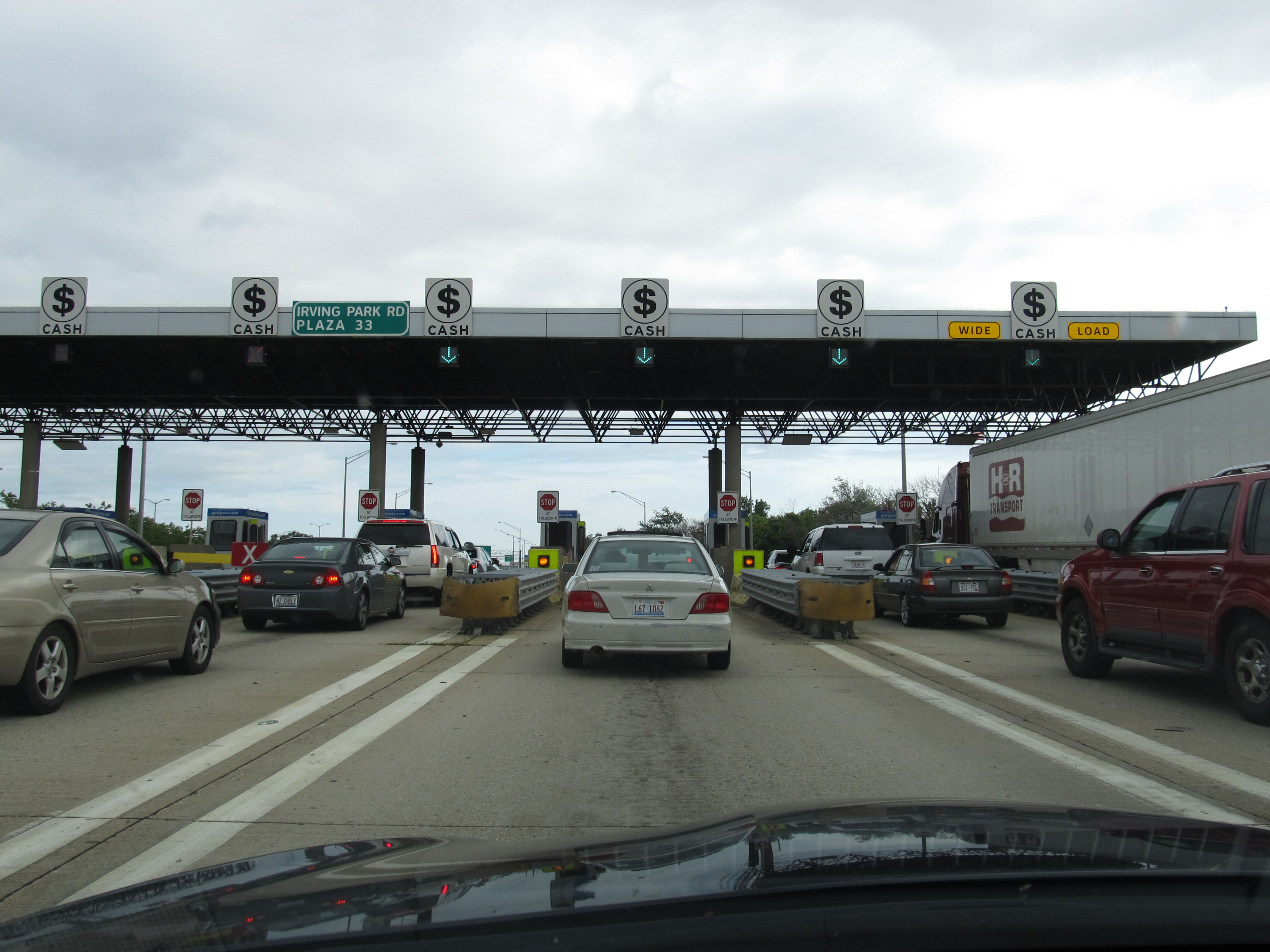
The Illinois Tollway proposed its first passenger toll hike since 2012 on Thursday, June 18, following the NITA Act's passage. If the Tollway board approves the increase, I-Pass users would pay about 45 cents more per toll starting January 1, 2027. Public hearings are planned throughout the region in July.
Energy bill blocks rate hike
Humes flagged HB 4456 as a bill headed to the governor. Pritzker signed it two days later, on Thursday, July 9. The law protects low-income utility discount rates and blocks a 16-cent-per-bill rider increase on gas and electric bills that was set to take effect in 2027. Households at or below 300% of the federal poverty level will be automatically enrolled in the discount program.
Also discussed
Humes touched on 911 surcharge legislation, though the bill number and specific outcome were not recorded in the minutes. He also addressed the Chicago Bears stadium tax break package, which died without a final vote in the spring session. The Bears had sought roughly $855 million in infrastructure funding for their proposed Arlington Heights site.
What's next
Committee Chair Dawn DeSart led the meeting, which drew no public comment. The fall veto session in Springfield typically convenes in October, though specific 2026 dates have not been announced. No next Legislative Committee meeting date was set at the July 7 session.